Moving up in Littleton can feel exciting and overwhelming at the same time. You want more space, a yard that fits your life, and an easier daily routine. The right neighborhood choice can deliver all of that and protect your resale value. In this guide, you’ll learn how to zero in on the best-fit areas in and around Littleton, what to check for commutes and parks, how taxes and HOAs affect monthly costs, and practical ways to time your sale and purchase. Let’s dive in.
How to choose your Littleton next neighborhood
Start with home and lot needs
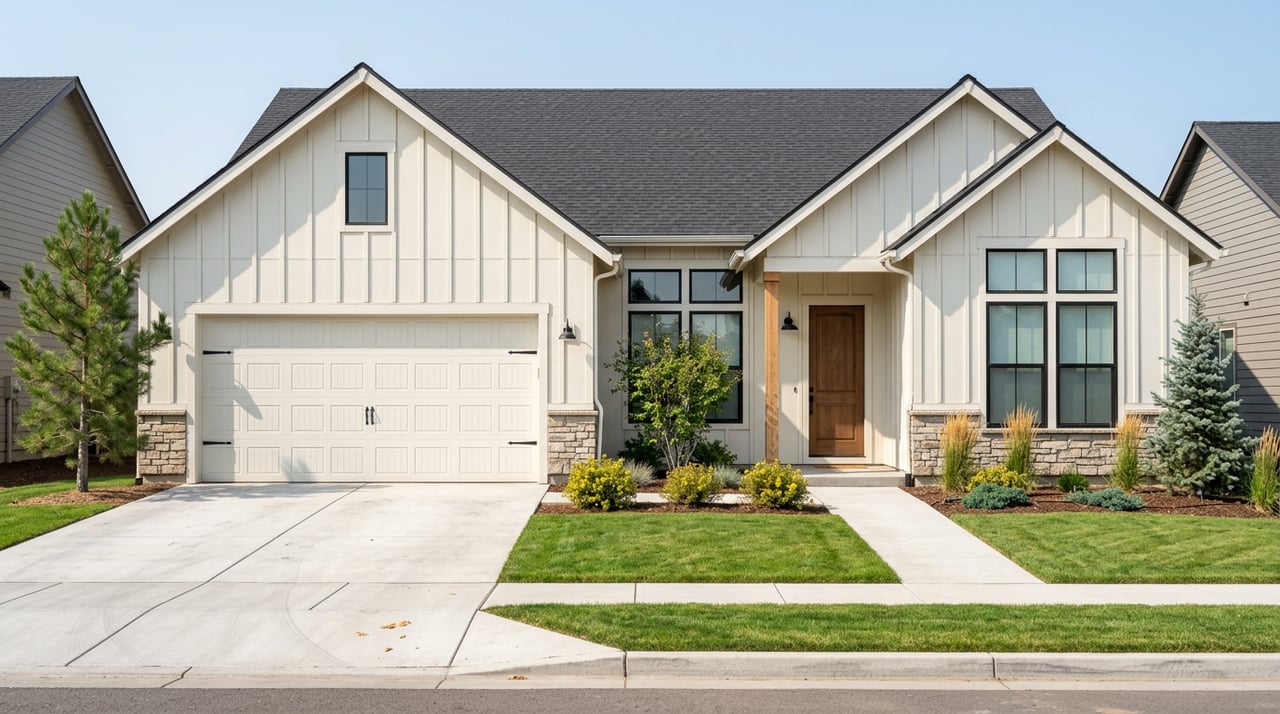
Begin with how you live now and what needs to improve. Do you want a finished basement, a larger kitchen, or a main-floor office. Think about lot size, sun exposure, and whether you might add on later. Because many addresses use a Littleton mailing address but sit outside the city limits, confirm the exact city and county for any property you’re considering using the city’s Map Gallery. Zoning, permitting, and special district rules can vary by jurisdiction.
Commute and transit realities
If a rail commute matters to you, note that Downtown Littleton is served by RTD’s D Line at the Littleton Downtown and Littleton Mineral stations. From Littleton Downtown, the typical rail time to central Denver is about 32 minutes, according to the station’s service overview. Drivers often rely on C‑470 for east–west access to the Denver Tech Center and I‑25, and on Santa Fe Drive for north–south travel. You can read more about the beltway on C‑470’s overview. Always map drive times during your actual commute windows.
Parks, trails, and daily amenities
Littleton’s outdoor network is a major quality-of-life driver. The South Platte Park and Carson Nature Center anchor miles of riverside trails along the Mary Carter Greenway. The High Line Canal offers long, connected segments for biking and walking, with ongoing improvements that can boost local connectivity. Hudson Gardens brings free public gardens and events near Santa Fe Drive, and nearby regional parks like Chatfield add boating, horseback riding, and foothill recreation.
Monthly cost beyond the mortgage
Your monthly payment is more than principal and interest. Many Littleton-area neighborhoods have HOAs or metropolitan districts, and mill levies vary by county and special district. That is why verifying the parcel’s jurisdiction is key. To check specifics, use the Arapahoe County Assessor portal or the appropriate county assessor, then confirm any special district or HOA dues with the listing disclosures and the city’s Map Gallery.
Four Littleton area profiles for move‑up buyers
Below are common move-up paths with tradeoffs to consider. Use them as a starting point, then validate details on a home-by-home basis.
Historic Downtown Littleton
- Home styles: Character homes near Main Street, including early 20th-century houses and bungalows with period details. Inventory can be limited, and lots are usually smaller but walkable to dining and shops. For historic context and walking-tour insights, explore the Littleton Museum.
- Commute profile: Strong for rail commuters who want proximity to the Littleton Downtown station. Driving routes include Santa Fe Drive for north–south travel and connections to C‑470.
- Parks and amenities: Easy access to Downtown restaurants, the Platte River corridor, and Hudson Gardens. Great for buyers who value a no-car option to dinner or weekend events.
- Budget notes: Older homes may require renovation. Inspect foundations, electrical, and sewer lines, and budget for updates to preserve value.
Grant Ranch and similar planned communities
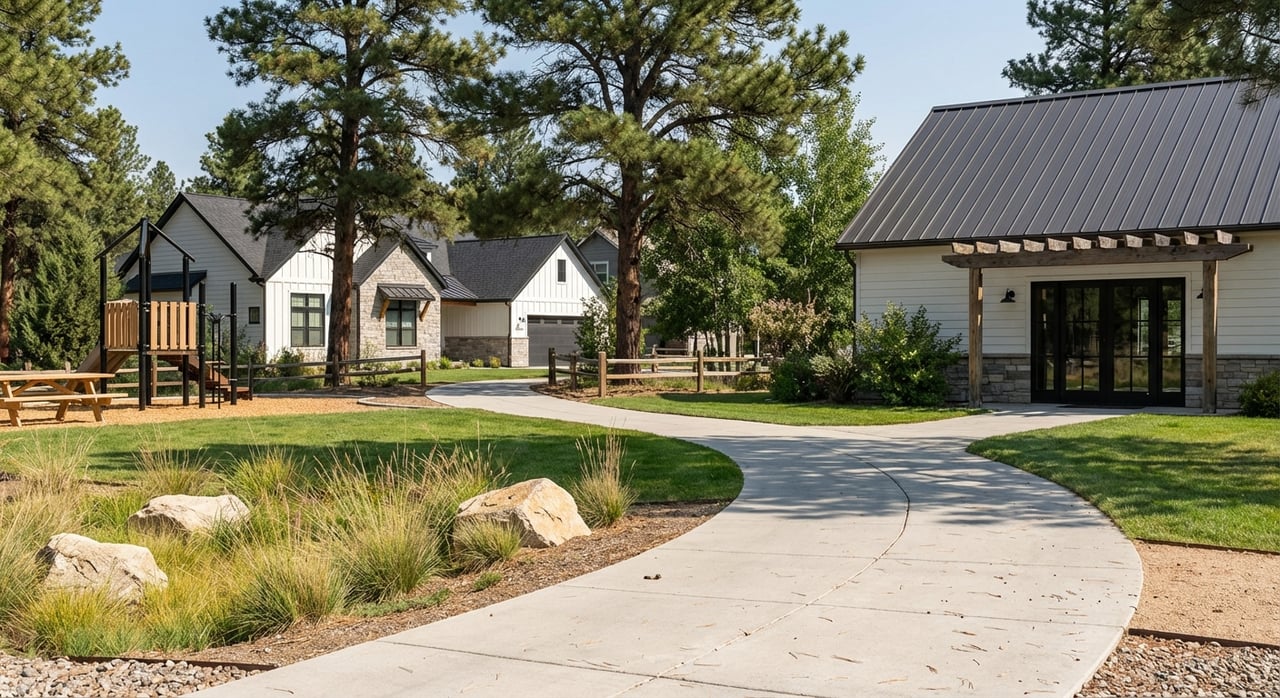
- Home styles: Larger two-story homes, patio homes, and lake-adjacent properties in master-planned settings with community amenities like clubhouses and pools.
- Commute profile: Quick access to C‑470 for east–west travel and to employment centers along I‑25. Santa Fe Drive is a common route for north–south trips.
- Parks and amenities: On-site neighborhood amenities are a key draw, with trail connections and nearby access to South Platte Park and the High Line Canal.
- Budget notes: HOA or metro-district dues are common. Confirm fees and what they cover, since amenities can offset other lifestyle costs.
South Littleton near Santa Fe and Aspen Grove
- Home styles: A mix of single-family neighborhoods with convenient access to shopping and the river corridor. Buyers prioritize proximity to the Aspen Grove shopping district and light rail.
- Commute profile: Strong access to Santa Fe Drive and the Mineral light rail station for a flexible drive-or-rail routine.
- Parks and amenities: Premier access to the Mary Carter Greenway, Carson Nature Center, and Hudson Gardens for easy weekend outings.
- Budget notes: Watch for evolving traffic patterns. The city is advancing the Santa Fe and Mineral improvements project, which can affect short-term construction impacts and long-term flow.
Foothills-edge near Chatfield and Roxborough
- Home styles: Larger lots and homes with open-space adjacency, views, or access to the hogback corridors. Expect different maintenance patterns and potential insurance considerations near the foothills.
- Commute profile: Many residents favor C‑470 for east–west trips and Santa Fe Drive for north–south access. Trips to the city center take longer, so validate your drive during peak hours.
- Parks and amenities: Outstanding proximity to Chatfield and foothill trails, with boating, horseback riding, and hiking nearby.
- Budget notes: Ask about wildfire risk mitigation, slope stability, and HOA rules for open space. Lot orientation and topography can influence outdoor living plans.
Price and inventory: how to think about numbers
Littleton’s submarkets move at different speeds. Inventory, median prices, and days on market can vary by ZIP and even by community. Figures also change month to month in current market conditions, so treat any snapshot as directional. Before you act, ask for a fresh MLS pull for your exact micro‑market and price band. Focus on recent closed comps and active competition to set realistic expectations and to plan your offer or list strategy.
How to sequence your sale and next purchase
There is no one right way to coordinate a move-up purchase. Choose the approach that matches your risk tolerance, cash flow, and timeline.
Option A: Sell first, then buy
- How it works: You list and sell your current home, then shop with the proceeds. You can negotiate a short rent‑back from your buyer to avoid a gap between homes.
- Pros: You know your exact budget and avoid carrying two mortgages.
- Cons: Without a rent‑back, you may need short‑term housing or storage.
Option B: Buy first, then sell
- How it works: You purchase the next home before your current one closes. Financing tools can include a bridge loan, HELOC, or cash‑out refinance. For a quick explainer, see this lender’s overview of bridge loans.
- Pros: You can write a non‑contingent offer and move once.
- Cons: Short‑term financing costs and qualification hurdles. Some lenders will count both mortgages for qualification unless your sale is already under contract.
Option C: Buy with a home‑sale contingency
- How it works: Your purchase contract is contingent on selling your current home by a deadline. Many sellers prefer non‑contingent offers, but this can work in a balanced market. Contingent offers often include a kick‑out clause that allows the seller to keep marketing the home.
- Risk reminder: The National Association of Realtors reports that a modest share of contracts are delayed or canceled for inspection, appraisal, or financing issues. That is why conservative scheduling and back‑up plans matter. See NAR’s overview of contract terminations and delays for context.
Timing and closing mechanics you should know
- Expect 30 to 45 days from contract to closing for a conventional loan. That timeline covers appraisal, underwriting, and title work.
- Federal rules require you to receive a Closing Disclosure at least three business days before consummation. This three‑day CD rule can make same‑day double closings fragile.
- Build in buffers. Have an interim storage plan and short‑term housing option in case of delays.
Quick financing checklist
- Will your lender count two mortgage payments if you buy first. Get that in writing from an underwriter.
- Can you use expected sale proceeds for your down payment. Ask what documentation is required and when it must be provided.
- Compare bridge loan, HELOC, and cash‑out refinance options for costs, rate, and term length. A short‑term bridge may carry higher fees but can strengthen your offer.
Neighborhood selection checklist
Use this to pressure test any address before you write an offer.
- Confirm jurisdiction and rules: Verify city limits, county, and special districts using the city’s Map Gallery. Zoning and permitting can differ if the home is outside city limits.
- Map your commute: Test AM and PM drive times, and check rail access and schedules from the Littleton Downtown station page if you plan to use light rail.
- Lot and outdoor needs: Yard size, sun and shade, privacy, slope, and space for future additions or a detached structure. Consider how these influence daily life and resale.
- HOA and special districts: Confirm HOA dues and any metro district fees. Check the Arapahoe County Assessor portal for mill levies and estimated taxes.
- Amenity score: Parks and trails within a 10‑minute walk, grocery and dining clusters like Aspen Grove, and event venues like Hudson Gardens.
- Resale triggers: Distance to major roads, planned roadway projects such as the Santa Fe and Mineral improvements, and upcoming trail connections on the High Line Canal.
How to check taxes, HOAs, and special districts on a parcel
- Step 1: Verify the property’s city and county using the Map Gallery.
- Step 2: Look up the parcel in the appropriate county assessor portal, such as the Arapahoe County Assessor. Note the current assessed value, mill levy, and estimated taxes.
- Step 3: Review listing disclosures for HOA documents and metro district details. Confirm dues, transfer fees, and what is covered.
- Step 4: Ask for utility and special district information in writing, including water and sewer providers.
Choosing the right Littleton neighborhood is about matching space and style to the way you live, then confirming commute, parks, and the true monthly cost. When you are ready to explore homes or to plan a sell‑and‑buy timeline, reach out for a private consult. As a boutique team with hands‑on build and renovation experience, curated off‑market access, and polished listing marketing, we make your next move simpler and stronger. Schedule a Free Consultation with Rachel Russell.
FAQs
What counts as “Littleton” when an address says Littleton, CO
- Many properties have a Littleton mailing address but sit outside city limits, sometimes in other counties. Always verify the jurisdiction using the city’s Map Gallery.
How long is the light rail ride from Littleton to downtown Denver
- The RTD D Line from the Littleton Downtown station to central Denver takes about 32 minutes per the station’s overview, which is useful if you prefer a rail commute.
Which outdoor amenities do Littleton buyers often prioritize
- Riverside trails at South Platte Park and Carson Nature Center, free events and gardens at Hudson Gardens, long connections on the High Line Canal, and regional access at Chatfield.
How fast can I close on a purchase if I am also selling
- Conventional loans often need 30 to 45 days from contract to closing, and you must receive a Closing Disclosure at least three business days before consummation per federal guidance summarized here.
How do special districts and HOAs affect my monthly payment
- HOAs and metro districts add dues on top of your mortgage, and mill levies vary by county and special district. Use the Arapahoe County Assessor portal and listing disclosures to confirm exact figures before you offer.