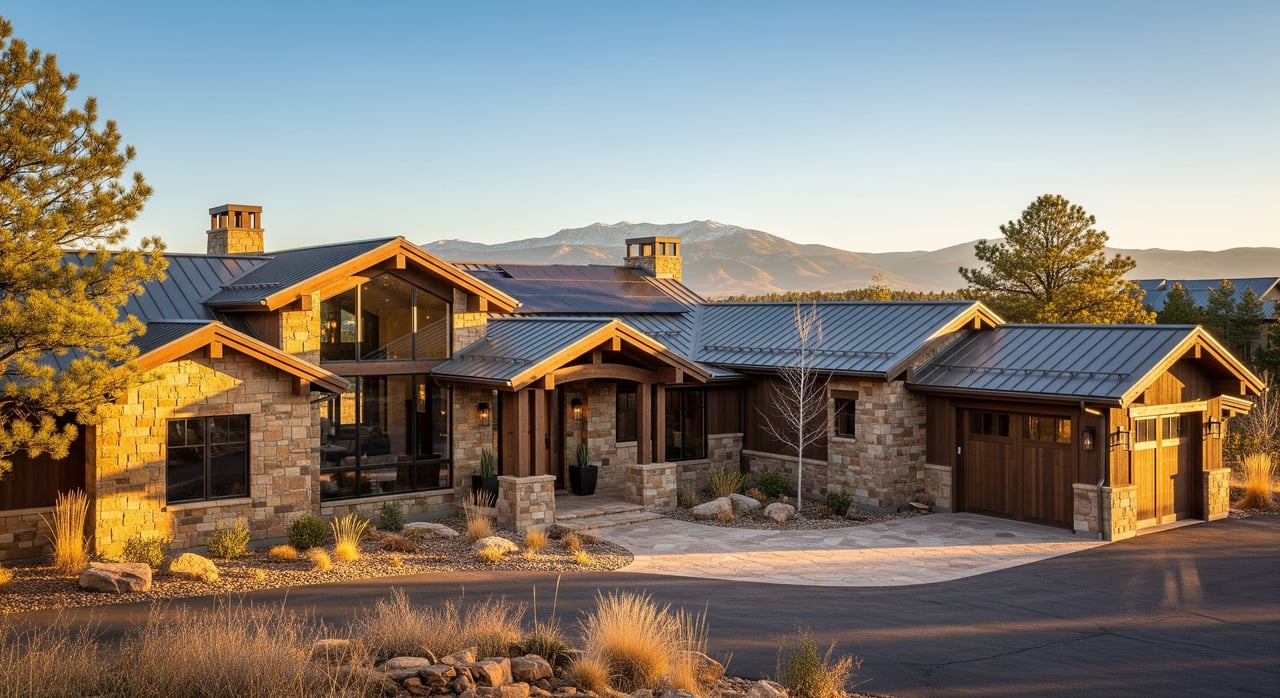
Thinking of selling your Castle Pines home and want fewer surprises once you go under contract? You are not alone. Many sellers consider a pre-listing inspection to understand condition, plan repairs, and reduce renegotiations. In this guide, you will learn when a pre-listing inspection is worth it in Castle Pines, what it includes, typical costs, and how it shapes pricing and negotiations under Colorado practices. Let’s dive in.
What a pre-listing inspection covers
A standard home inspection is a visual evaluation of major systems and safety items. Inspectors typically review the roof, exterior, gutters, grading and drainage, foundation and visible structure, crawlspace or basement, attic insulation and ventilation, plumbing and water heater, electrical service and visible wiring, HVAC operation, interior surfaces, windows and doors, and built-in appliances.
Because Castle Pines sits along the Front Range, smart add-ons can make your report more complete:
- Radon testing, due to elevated regional radon potential.
- Sewer camera scope, especially for older lines or known issues.
- Chimney inspection or fireplace sweep if used regularly.
- Wood-destroying insect review when signs or age warrant it.
- Roof certification for complex or aging roofs.
- Mold or moisture testing when you see staining, odors, or past leaks.
- An optional energy audit if you want to market efficiency.
Most inspectors deliver reports within 24 to 72 hours. Plan to keep all receipts and before-and-after photos for repairs you complete.
Castle Pines factors that matter
Housing mix and market conditions
Castle Pines has a blend of newer subdivision homes and custom or estate properties, many within HOAs. In a strong seller’s market, you might attract multiple offers without a pre-listing inspection. In a balanced or buyer-leaning market, inspecting and addressing issues upfront can reduce buyer concessions and help you close faster.
Climate and common maintenance issues
Front Range weather brings freeze-thaw cycles, summer storms, and snow loads. Roof wear, ice dam damage, drainage and grading problems, deck and porch deterioration, gutter and downspout issues, and exterior sealant failures show up often. Moisture intrusion in basements or crawlspaces and retaining wall concerns can surface as well. Wildfire risk awareness is increasing regionally, and buyers are more attuned to mitigation and insurance availability.
HOA and resale documents
Many homes here are in HOAs. Colorado transactions commonly require HOA resale or disclosure documents. Align inspection planning with HOA timelines and be aware of how shared elements like roofs or amenities can shape buyer expectations.
Systems buyers watch closely
Buyers and their inspectors often focus on roof age, HVAC and water heaters, electrical panels and capacity, plumbing materials and leaks, window seals, and attic ventilation. Knowing where your home stands helps you price and negotiate with confidence.
Pros and cons for sellers
Benefits of a pre-listing inspection
- You get an objective list of defects and safety items before you price, which reduces uncertainty.
- You decide what to fix, using your preferred contractors and documenting quality with receipts.
- You can market with confidence, for example, “recently inspected, key repairs completed,” which can build buyer trust.
- You meet disclosure obligations more accurately by disclosing known issues, not guessing.
- You gain leverage. With a report and receipts, you can offer specific credits or limit open-ended requests.
- You can catch safety items, such as electrical hazards or detector issues, that are prudent to remedy before showings.
Downsides to consider
- There is upfront cost and time, including potential add-on tests or specialist evaluations.
- The report can become a reference during negotiations, and some buyers may still ask for concessions.
- Buyers will usually order their own inspection, so you may see duplicate findings.
- Cosmetic fixes rarely return dollar-for-dollar at sale.
- If the inspection uncovers issues you did not know about, you must disclose them.
How it affects pricing and negotiations in Colorado
Disclosure basics
Sellers in Colorado typically complete a Seller’s Property Disclosure. You must disclose known material defects. A pre-listing inspection helps you understand what you know, document it, and disclose appropriately. For HOA properties, confirm required resale documents and align timelines so everything is ready for buyers.
Pricing strategy by issue type
- Minor maintenance or safety items, such as GFCI outlets, small leaks, broken handrails, or loose railings, are usually worth fixing before listing. These are affordable and build buyer confidence.
- Cosmetic updates seldom increase sale price proportionally. Focus on function and safety first.
- Major issues, like foundation movement, a worn-out roof, or recurring water intrusion, usually lead to a choice: repair before listing, price to reflect the condition, or sell as-is with full disclosure. The best path depends on repair cost, expected sale premium, and current market strength.
Negotiation patterns to expect
A pre-listing inspection often narrows buyer requests. Common outcomes include buyers waiving minor items, asking for defined credits for unaddressed issues, or ordering specialty tests like radon and sewer scopes and negotiating based on those results. When you provide a clean report plus repair receipts, many buyers accept limited credits and move forward more quickly.
Liability and documentation
A pre-listing inspection does not remove your duty to disclose known defects. Keep all invoices, warranties, and photos that show good-faith repairs. Clear documentation supports smoother negotiations and reduces post-closing friction.
When to get one vs skip it
Use this simple framework to decide what fits your home and market timing.
Quick self-screen
- Is your home older than 15 to 20 years, has deferred maintenance, prior water damage, or visible issues? Consider a pre-listing inspection.
- Is the market hot with likely multiple offers quickly? A full inspection is optional. Consider targeted repairs instead.
Order a pre-listing inspection if
- You want control over contractors, repair quality, and documentation.
- You plan to price to condition and want factual support.
- Your systems are 10 to 15 years old or more, or you have unique systems like a pool or septic.
- You want to market as inspected or move-in ready.
Evaluate findings and choose a route
- Repair before listing for safety issues, active leaks, and items that would deter buyers.
- Price to reflect if repairs are costly and project-ready buyers are present in the market.
- Sell as-is with full disclosure. Provide the report to serious buyers and consider defined credits.
If you repair
- Use licensed pros when appropriate, and collect invoices, warranties, and photos.
- Provide receipts to buyers to validate work and reduce requests.
Use the report strategically
- Share the summary with serious buyers, and be ready for secondary tests like radon or sewer.
- Decide in advance how you will handle future requests, whether repair, credit, or price change.
Inspector selection, timing, and flow
How to choose an inspector
Look for membership in professional associations that set standards of practice.
Ask for a sample report. Clear photos and concise summaries are easier to use in marketing.
Confirm errors and omissions insurance and references.
Prioritize local experience with Douglas County climate and construction.
Ask if they coordinate add-ons like radon or sewer scopes to simplify scheduling.
Best timing and process
- Schedule after initial prep, but before you go live. This gives you time for repairs and documentation.
- Most inspectors can visit within days and deliver reports within 24 to 72 hours.
- Keep a simple folder with reports, contractor bids, invoices, and warranties.
Typical costs in Castle Pines
Actual quotes vary by size, age, and complexity, but these ballparks help you plan:
- Standard single-family inspection: about $300 to $700.
- Radon test: about $100 to $250.
- Sewer camera scope: about $150 to $400.
- Specialty inspections, such as chimney, roof certification, or structural: about $150 to $600 or more.
When comparing inspectors, weigh report quality, local expertise, and the ability to coordinate add-ons. The lowest price is not always the best value if the report is hard to interpret.
Smart repair priorities before listing
Focus on high-ROI fixes that reduce friction at closing:
- Address safety concerns, including electrical hazards and missing or non-functioning detectors.
- Stop active leaks and repair moisture damage.
- Improve drainage at grade, gutters, and downspouts.
- Service HVAC and water heater if due, and replace non-functional units.
- Repair obvious deferred maintenance, such as loose railings, damaged decking, or failed window seals.
Avoid big cosmetic projects unless they align with neighborhood comparables and your pricing strategy. In many cases, clean presentation, documented safety fixes, and clear disclosures deliver better returns than major upgrades.
The bottom line for Castle Pines sellers
A pre-listing inspection can be a smart move when you want pricing clarity, fewer surprises, and faster negotiations. It is most valuable for older homes, properties with visible issues, or in a balanced market where buyers expect move-in condition. In a hot market, you can often skip the full inspection and target high-impact repairs.
If you want help weighing costs, timing, and which repairs pay off, connect with a local advisor who understands Castle Pines and has hands-on renovation experience. Schedule a Free Consultation with Rachel Russell to craft a plan that fits your goals.
FAQs
Do Castle Pines sellers need radon testing before listing?
- It is not required, but radon testing is commonly requested by buyers in Colorado, so testing upfront can reduce delays and renegotiations.
Will a pre-listing inspection replace the buyer’s inspection in Colorado?
- No. Most buyers still order their own inspection and may add tests like radon or sewer scopes even if you provide a seller report.
How do HOAs in Castle Pines impact pre-listing inspections?
- Plan inspections around HOA document timelines and be aware of shared elements, such as roofs or amenities, that can influence buyer expectations.
What should I fix after a pre-listing inspection?
- Prioritize safety items, active leaks, drainage issues, and obvious deferred maintenance, then weigh major repairs against pricing and market conditions.
When should I schedule a pre-listing inspection?
- Book it after initial prep and before going live, so you have time to complete repairs, gather receipts, and present a clean package to buyers.