Torn between downtown energy and suburban breathing room? You are not alone. Many South Metro buyers weigh the buzz of a Denver condo against the space and privacy of a Lone Tree home. In this guide, you will see how price, commute, lifestyle, maintenance, and resale differ so you can choose what fits your day-to-day life and long-term goals. Let’s dive in.
Downtown vs. Lone Tree at a glance
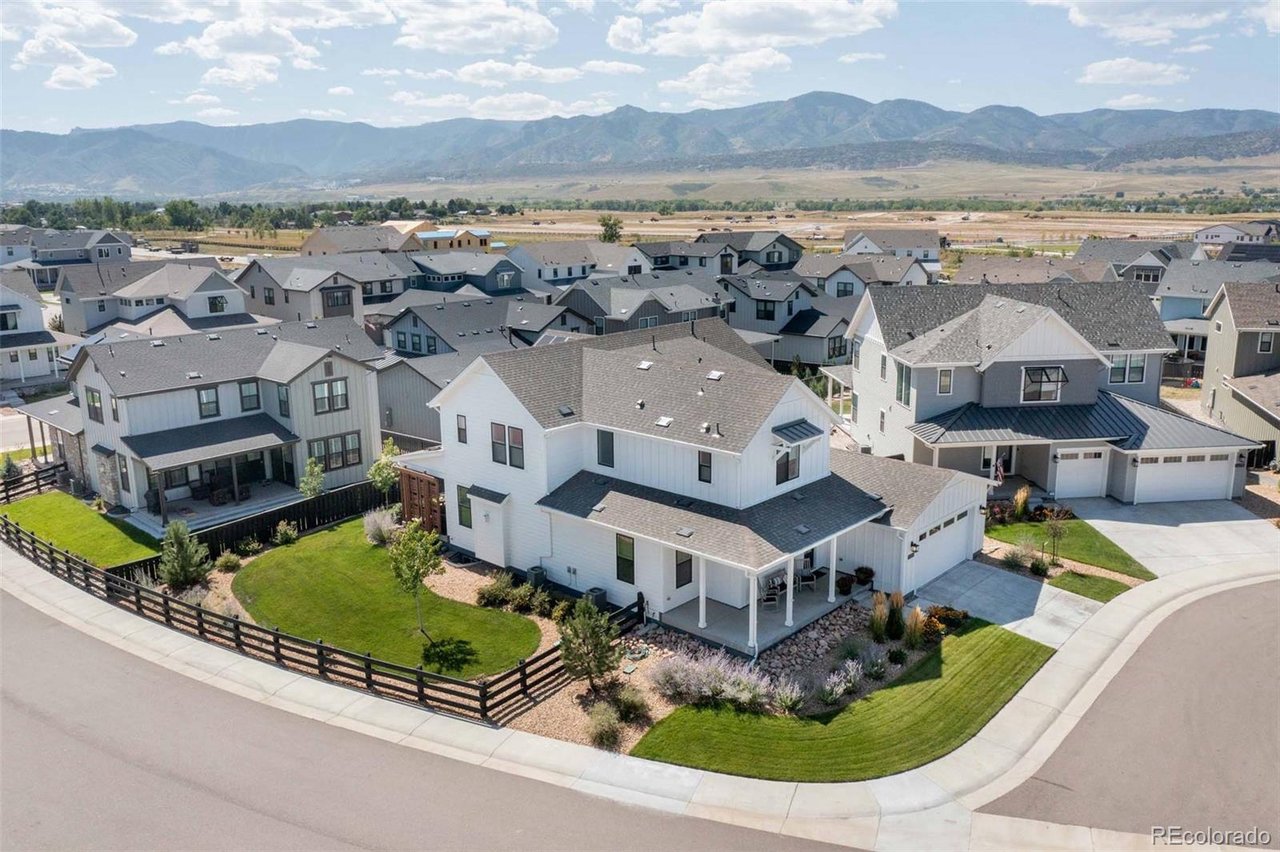
If you picture high-rise living near Union Station, you are likely looking at condos, lofts, and a few townhomes in zip 80202. Lone Tree leans suburban with single-family homes in master-planned neighborhoods near parks and trails.
- Price snapshot: As of February 2026, Redfin reports a Lone Tree median sale price around $677,500. See the latest on the Lone Tree housing market.
- Downtown pricing: Recent 80202 sales in the 2025 to early 2026 window have generally ranged about $580,000 to $615,000, depending on unit mix and building. Check the 80202 market data for current figures.
- Commute basics: Lone Tree to central Denver is about 20 to 21 miles by road. Off-peak can be roughly 20 to 30 minutes, with longer times during peak I-25 congestion. See the driving distance estimate.
- Metro trend context: REcolorado’s February 2026 Market Watch shows different tempos for attached versus detached homes across the Denver area. Review the latest Market Watch for big-picture perspective.
Lifestyle: walkability or room to spread out
Downtown Denver vibe
If you want restaurants, events, and transit a short walk away, downtown delivers. Many buildings cluster near Union Station with easy access to dining, sports, and cultural venues. Unit sizes often skew smaller, which keeps you close to the action but may limit storage and private outdoor space.
Lone Tree rhythm
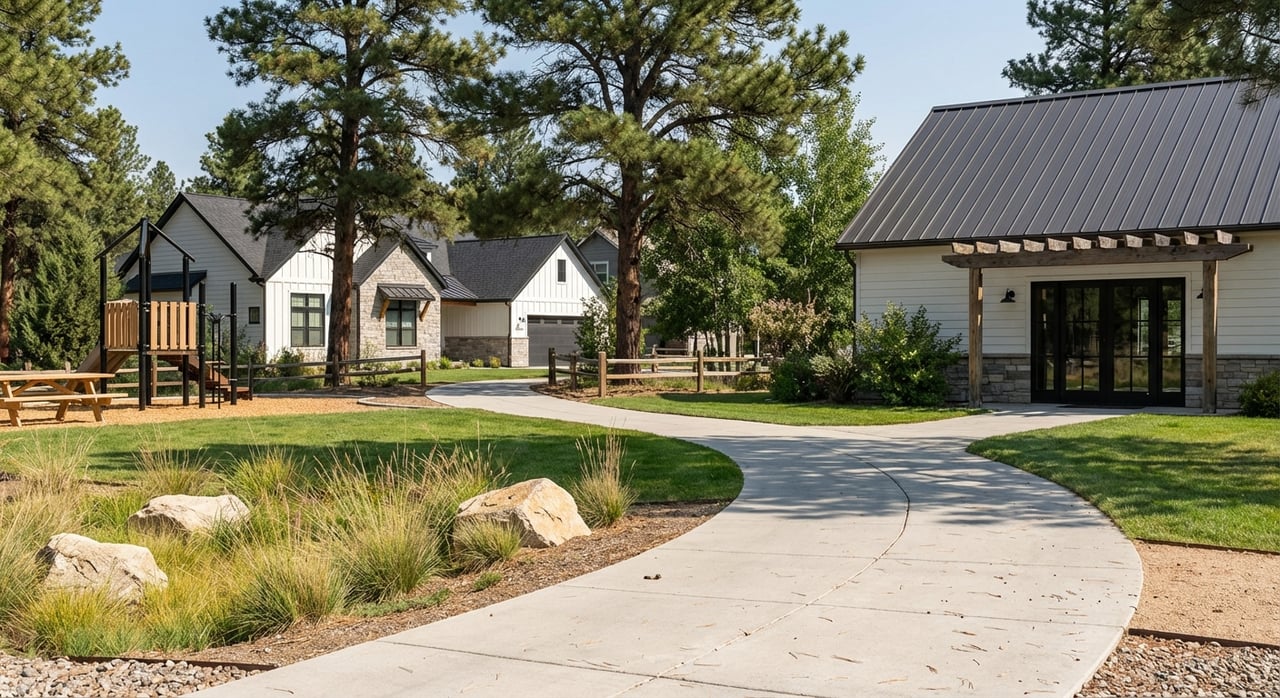
In Lone Tree, you trade walk-out-the-door nightlife for trails, parks, and more interior and yard space. Neighborhoods are master planned and offer a suburban feel with community amenities. Day-to-day errands are convenient, and you get the flexibility to host, garden, or set up a home gym without sacrificing living area.
Commute and transit: real-world options
Driving
- Distance: Approximately 20 to 21 miles to central Denver, which translates into 20 to 30 minutes off-peak and a wider range during rush hour. Use live navigation for your specific route and time of day. Source: Travelmath drive distance.
- Average time: Lone Tree residents report a mean commute in the mid-20 minute range, which can understate peak congestion. See DataUSA’s Lone Tree profile.
Light rail from Lone Tree
Lone Tree is served by RTD’s Southeast extension, with the RidgeGate Parkway Park-n-Ride offering roughly 1,300 spaces and direct service to downtown. If you prefer to avoid I-25, you can park and ride to Union Station. Confirm current schedules and line names on the RTD RidgeGate Parkway station page.
Downtown mobility
Downtown living simplifies errands without a car. Many residents walk, bike, or ride transit for daily needs. Parking can be limited or separately leased, so factor in any additional cost if you own a vehicle.
Space, privacy, and day-to-day maintenance
Condos and attached homes
Condos and many townhomes shift exterior work and building systems to the HOA, which can make monthly costs more predictable. Owners typically handle interior upkeep and an HO-6 policy for contents, while the association covers exterior maintenance and a master insurance policy. Review your HOA’s governing documents and resale certificate to confirm what is covered. Colorado’s HOA Information & Resource Center outlines owner and association responsibilities; start with the DRE HOA Center guidance.
Single-family homes in Lone Tree
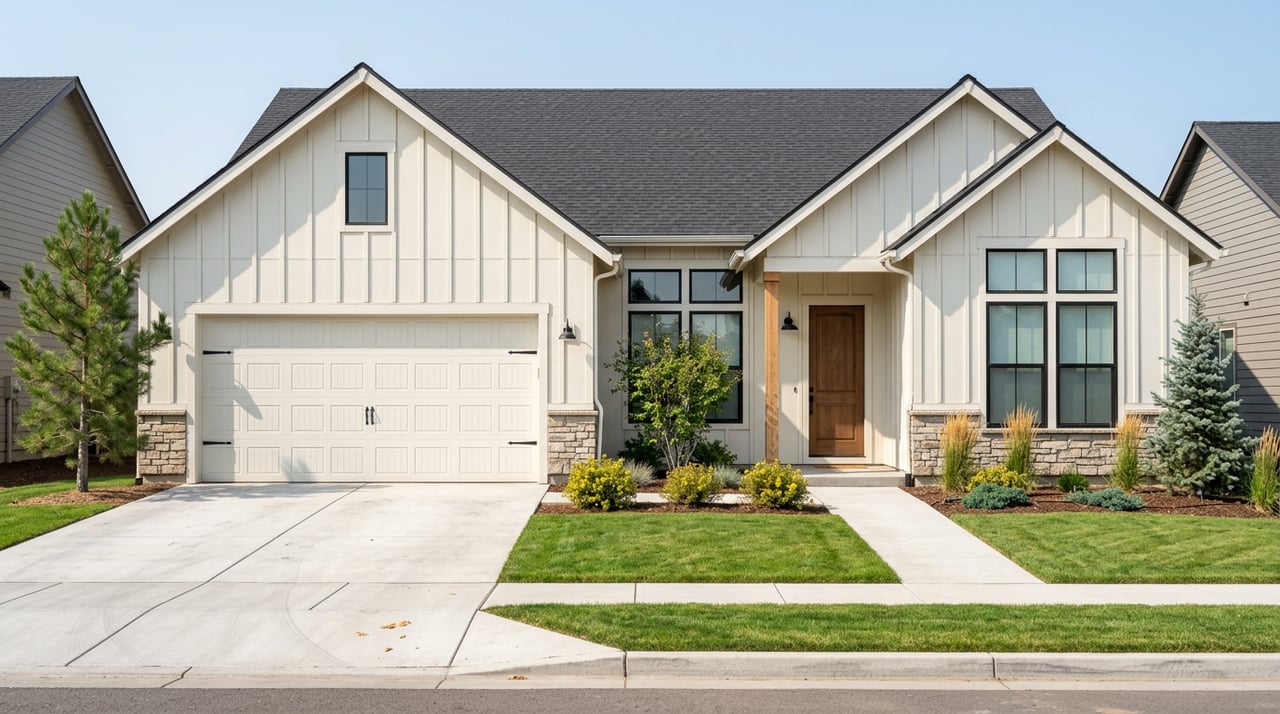
With a detached home, you generally control and maintain your roof, exterior, yard, and driveway. Some neighborhoods add a community HOA for common areas, and many newer communities layer metropolitan or special districts that appear on the property tax bill. The result is more private outdoor space and autonomy, paired with more direct responsibility.
Legal framework to know
Colorado’s common-interest communities operate under the Colorado Common Interest Ownership Act. If you are comparing condos and single-family homes, it is smart to understand CCIOA basics and the disclosures you can request. Review the statute overview at Colorado public law, CCIOA and the DRE HOA Center.
Monthly costs beyond the mortgage
HOA dues and reserves
- Downtown condos: Dues can be higher to cover elevators, security, building insurance, and amenities. Review the HOA’s budget, reserve study, and recent meeting minutes for any signs of special assessments or insurance increases.
- Lone Tree single-family: Neighborhood HOAs for detached homes are often lower and focused on common area upkeep. You will budget separately for your own exterior maintenance, insurance, and utilities.
Always request the resale certificate, most recent budget, and 12 to 24 months of meeting minutes. The HOA Information & Resource Center provides a checklist of records buyers can review.
Metro districts and taxes
Many newer Lone Tree areas, including parts of RidgeGate, use metropolitan districts to finance infrastructure. These districts levy separate mill levies that show up on your property tax bill and are distinct from HOA dues. Before you finalize a budget, inspect the county tax breakdown and the metro district service plan. For background on RidgeGate’s structure, see the public filings referenced in the SEC RidgeGate document.
Resale, buyer pools, and liquidity
Market conditions can shift, and attached and detached homes often behave differently.
- Downtown condos: Buyer pools tend to concentrate among professionals who value walkability and low-maintenance living. Unit mix, parking, views, and building health all drive value. In softer markets, building-specific issues like reserves, litigation, or deferred maintenance can widen price spreads and days on market.
- Lone Tree single-family: Detached homes often attract a broad set of buyers who value interior square footage and yards. Days on market and appreciation still depend on neighborhood supply, new-build competition, and local amenities. The REcolorado Market Watch is useful for comparing attached versus detached trends across the metro.
Pros and cons: quick scan
Downtown condo advantages
- Walk to restaurants, events, and transit hubs
- Lower day-to-day maintenance, since the HOA handles common areas
- Often strong building amenities like fitness rooms or security
Downtown condo tradeoffs
- Smaller private space and limited outdoor area
- HOA dues can be higher, and reserve or insurance changes can impact costs
- Parking may be limited or separately leased
Lone Tree single-family advantages
- More interior space and private yard for everyday living
- Garage and driveway parking, plus easier guest parking
- Suburban neighborhoods near parks, trails, and community amenities
Lone Tree single-family tradeoffs
- You handle exterior maintenance and systems directly
- Potential for layered costs, including HOA plus metro district taxes
- Commute variability on I-25 during peak hours
How to decide: two real-life paths
Scenario 1: You prioritize nightlife and a car-light lifestyle
A downtown condo makes sense if you want to walk to dining, sports, and events, with light rail for airport runs and weekday commutes. Budget carefully for HOA dues and confirm whether parking is deeded, included, or rented. Review building reserves, insurance, and any planned capital projects before you buy.
Scenario 2: You want space, a yard, and neighborhood amenities
A Lone Tree single-family home fits if you want more bedrooms, a home office, and private outdoor space. Factor in exterior maintenance and review your property tax bill for any metro district mill levies. If school access matters to you, verify the specific address assignment with the district’s tool before you write an offer.
Your practical checklist
Use this short list to compare a specific downtown condo and a Lone Tree home side by side.
- Verify current median price and days on market for each area. Check Redfin’s Lone Tree market page and Redfin’s 80202 data.
- Pull the condo HOA resale certificate, budget, reserve study, and 12 to 24 months of minutes. Learn what to request via the DRE HOA Center.
- Review the county tax bill for special district mill levies and compare to HOA dues. Metro districts are separate from HOA fees and add to carrying costs.
- Test your commute: drive or ride at your actual peak times. For light rail and parking details, see the RTD RidgeGate Parkway station info.
- Confirm school boundaries for any address using the Douglas County School District school lookup.
- Walk the lifestyle: for Lone Tree, explore the city’s parks, trails, and open space. For downtown, map your daily errands to see what is within a 10-minute walk.
Local resources
- Redfin market data: Lone Tree and 80202
- Metro trends: REcolorado Market Watch, Feb 2026
- Commute data: DataUSA Lone Tree profile
- Park-n-Ride and service info: RTD RidgeGate Parkway
- HOA rights and documents: Colorado DRE HOA Center and CCIOA overview
- Lifestyle planning: City of Lone Tree parks and trails
Next steps
If you want a balanced, data-backed recommendation for your lifestyle and budget, let’s compare real homes and run the numbers. From HOA and metro district due diligence to commute test drives and off-market opportunities, you will get clear guidance tailored to South Metro living. Ready to explore options in Lone Tree and downtown? Connect with Rachel Russell to Schedule a Free Consultation.
FAQs
What is the typical commute from Lone Tree to downtown Denver?
- Lone Tree to central Denver is about 20 to 21 miles by road, often 20 to 30 minutes off-peak with longer peak-hour times; Lone Tree’s mean commute is in the mid-20 minutes, but real-time traffic varies. See Travelmath’s distance estimate and DataUSA.
How do condo HOA responsibilities differ from single-family homes in Colorado?
- Condos usually have the HOA manage building exteriors, common areas, and a master insurance policy while owners handle interiors; single-family owners typically maintain their own roof, exterior, and yard. Review CCIOA and the DRE HOA Center for details.
Do metro districts in Lone Tree affect my monthly costs?
- Yes, many newer areas use metropolitan districts that levy separate mill levies on your property tax bill, which are in addition to any HOA dues; always review the county tax breakdown and district service plan, illustrated in filings like the SEC RidgeGate document.
How do downtown Denver condos and Lone Tree homes compare on price?
- As of February 2026, Lone Tree’s median sale price was about $677,500, while recent 80202 sales in the 2025 to early 2026 window have ranged roughly $580,000 to $615,000; always verify the latest figures on Redfin’s Lone Tree and 80202 pages.
Can I commute from Lone Tree to downtown by light rail?
- Yes, RTD’s Southeast service reaches RidgeGate Parkway in Lone Tree with a large Park-n-Ride and direct service to Union Station; check the RidgeGate Parkway station page for current schedules and parking.